how to get healthy fats on keto diet Healthy fats list: best sources to eat on ketogenic diet
The ketogenic diet, also known as the keto diet, has gained significant popularity in recent years for its potential health benefits and weight loss properties. However, like any other popular diet, there are several myths and misconceptions surrounding the keto diet that need to be debunked. Let’s take a closer look at the top 10 ketogenic diet myths and separate fact from fiction.
Myth 1: The Keto Diet Is All About Eating Large Amounts of Fat
Contrary to popular belief, the keto diet is not solely based on consuming large quantities of fat. Yes, fat is a major component of this diet, but it’s essential to prioritize healthy sources of fats such as avocados, nuts, and seeds. Eating unhealthy fats, such as processed meats and fried foods, can have detrimental effects on your health.
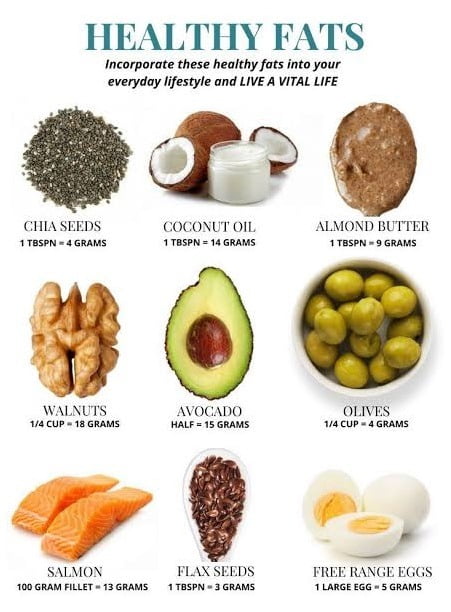 Image Source: Be Fit and Fine
Myth 2: The Keto Diet Is a High-Protein Diet
While it’s true that the keto diet involves moderate consumption of protein, it is not a high-protein diet. Consuming excessive protein can lead to gluconeogenesis, a process where your body converts excess protein into glucose, hindering the fat-burning process. It’s important to prioritize a balance of healthy fats, moderate protein, and low-carb vegetables.
Myth 3: The Keto Diet Causes Nutritional Deficiencies
Another common myth surrounding the keto diet is that it lacks essential nutrients, leading to nutritional deficiencies. However, if followed properly, the keto diet can be nutritionally adequate as it involves consuming a wide variety of nutrient-dense foods such as leafy greens, eggs, fish, and dairy products.
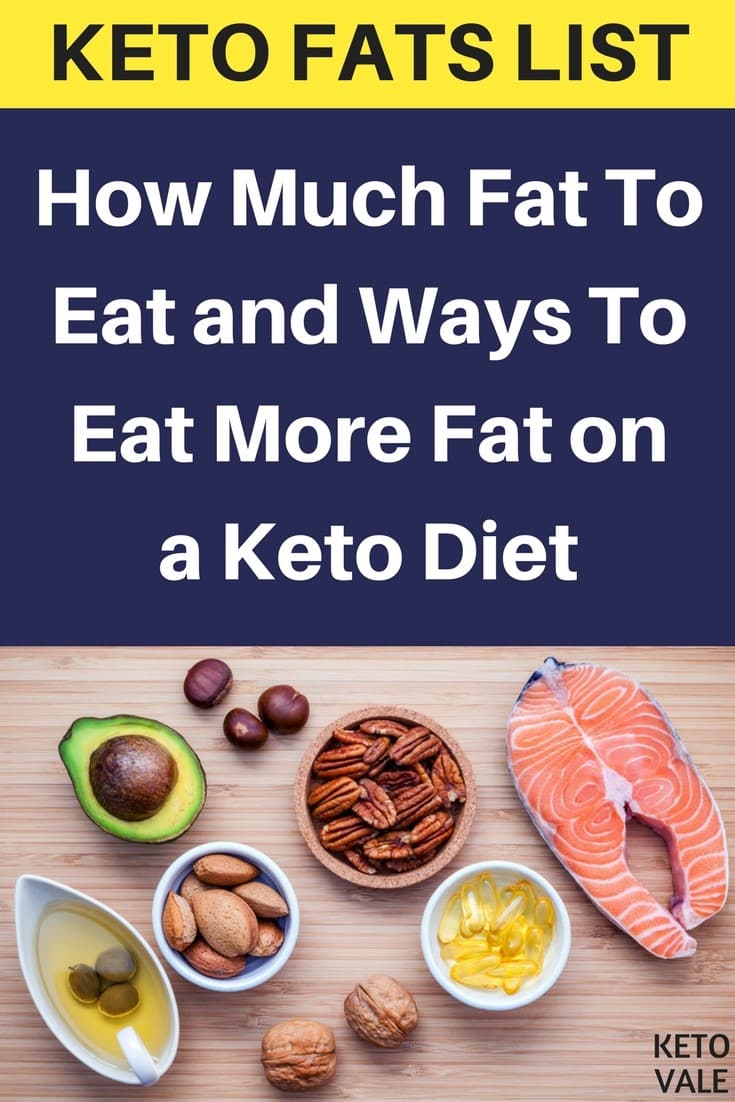 Image Source: Keto Vale
Myth 4: The Keto Diet Is Unsustainable and Difficult to Follow
While transitioning to a keto diet may require some adjustment initially, it is not inherently unsustainable or difficult to follow. With proper planning and education about suitable food choices, meal preparation, and understanding your own body’s response to certain foods, the keto diet can be a sustainable and enjoyable eating plan.
Myth 5: The Keto Diet Is Only Effective for Weight Loss
Weight loss is one of the most well-known benefits of the keto diet. However, this low-carb, high-fat diet has also shown promising results in improving certain health conditions such as diabetes, epilepsy, and polycystic ovary syndrome (PCOS). It can also enhance mental clarity and increase energy levels.
Myth 6: The Keto Diet Is Harmful to Heart Health
There is a common misconception that a high-fat diet, such as the keto diet, is detrimental to heart health due to the increased intake of saturated fats. However, numerous studies have shown that the keto diet can actually lead to improvements in heart health markers such as cholesterol levels.
Myth 7: The Keto Diet Causes Muscle Loss
While it’s true that the keto diet restricts carbohydrates, which are the primary fuel source for muscles, it does not necessarily lead to muscle loss. When following the keto diet, your body switches from using glucose for energy to ketones, which are produced from fat. By consuming adequate protein and engaging in resistance training, you can still maintain and even build muscle mass.
Myth 8: The Keto Diet Is Only Suitable for Younger Individuals
The keto diet is not age-restricted and can be followed by individuals of all ages. In fact, it may be particularly beneficial for older adults due to its potential effects on cognitive function, metabolic health, and reducing the risk of age-related diseases such as Alzheimer’s and Parkinson’s.
Myth 9: The Keto Diet Causes Constipation
Some individuals may experience constipation when initially transitioning to the keto diet. This can be attributed to a decrease in dietary fiber intake, as many high-fiber foods are also high in carbohydrates. However, with proper planning and consumption of low-carb, high-fiber vegetables, constipation can be avoided.
Myth 10: The Keto Diet Is Not Suitable for Long-Term Use
Contrary to popular belief, the keto diet can be followed over a long period of time with proper guidance and adjustment. Many individuals have successfully adopted the keto diet as a sustainable lifestyle choice and have continued to reap its benefits for years.
It’s important to separate fact from fiction when it comes to the ketogenic diet. By debunking these prevailing myths, you can make informed decisions about whether the keto diet is right for you. Remember to consult with a healthcare professional or registered dietitian before making any significant changes to your diet.
If you are looking for Top 10 Ketogenic Diet Myths Debunked: Low-Carb Diets you’ve visit to the right web. We have 5 Pics about Top 10 Ketogenic Diet Myths Debunked: Low-Carb Diets like Top 10 Ketogenic Diet Myths Debunked: Low-Carb Diets, Pin on Keto Diet Results and also Healthy Fats List: Best Sources to Eat on Ketogenic Diet. Here you go:
Top 10 Ketogenic Diet Myths Debunked: Low-Carb Diets
www.befitandfine.comfats ketogenic myth diabetics
Pin On Keto Diet Results
 www.pinterest.comdiet mylowcarbrecipe yourdietnutrition
Healthy Fats- Be Wholefully You - Benefits Of Healthy Fats - Keto
 www.pinterest.comketo fats healthy diet fat food benefits plan high snacks
Healthy Fats List: Best Sources To Eat On Ketogenic Diet
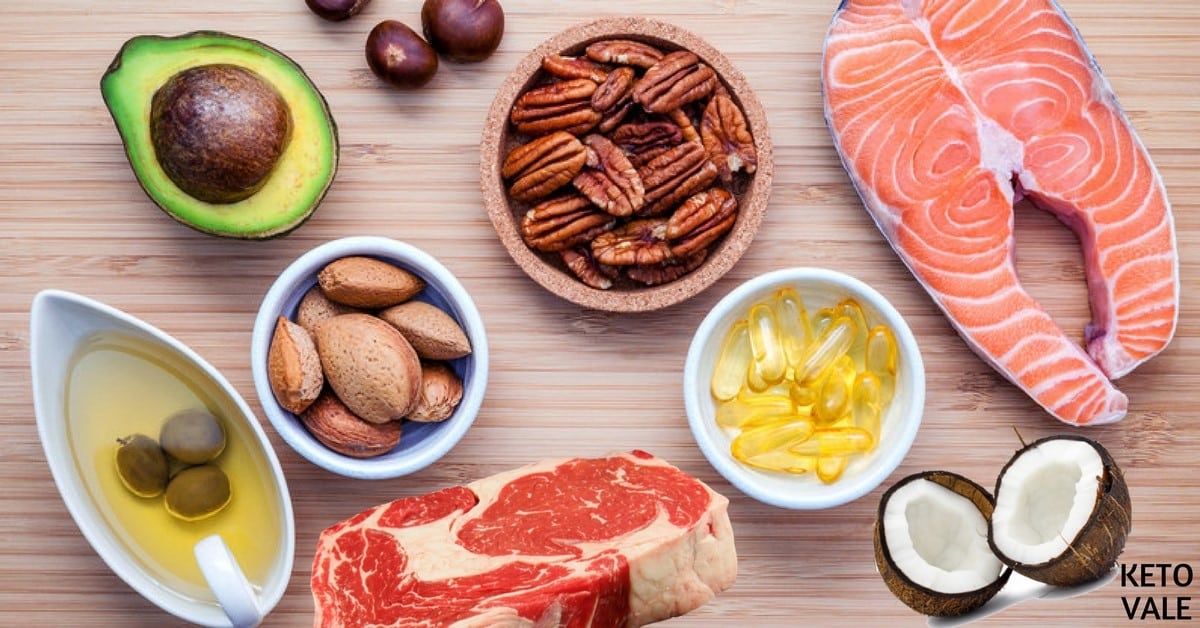 www.ketovale.comfats keto diet eat sources healthy list ketogenic newsletter tips
Healthy Fats List: Best Sources To Eat On Ketogenic Diet | Keto Vale
www.ketovale.comketo eat fats diet list fat healthy ketogenic sources
Top 10 ketogenic diet myths debunked: low-carb diets. Fats ketogenic myth diabetics. Diet mylowcarbrecipe yourdietnutrition